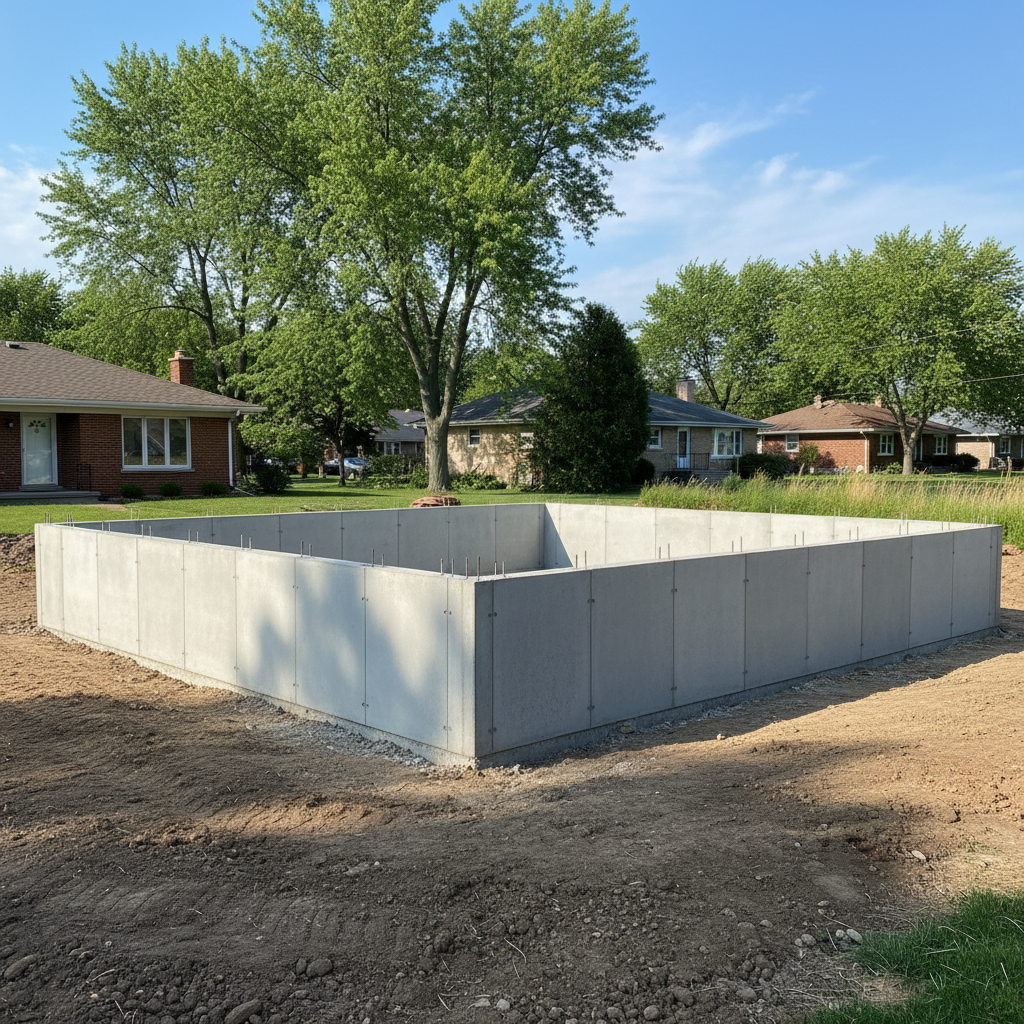
A concrete foundation? That's not something you want to mess up. I mean, it's literally the base for your entire house, or that new addition you've been dreaming about. Here in Chicago, I've seen plenty of foundation jobs go sideways because homeowners just didn't know what to look for, or even what questions to ask. So, let's chat about some of the biggest slip-ups I see people make.
Mistake #1: Focusing Only on the Lowest Bid
Look, I get it. Money matters to everyone, right? And who doesn't love a good deal? But for your foundation, the cheapest price is almost never the best one. I've watched homeowners jump on a quote that's way lower than everyone else's, only to figure out much later why. Maybe the contractor skimps on materials, uses a thinner slab than you really need, or just doesn't prep the site properly. You might save a few thousand bucks upfront, but you'll end up paying ten times that in repairs down the road when your basement starts cracking or, heaven forbid, sinking.
A good contractor, like us at Midland Concrete Co, will give you a detailed quote. It'll show you the cost for excavation, materials (like concrete strength and rebar), labor, and any permits you'll need. If a quote is just a single number scribbled on a napkin, that's a huge red flag. Ask for specifics. You should understand what you're actually paying for.
Mistake #2: Skipping Soil Testing (Especially in Chicago!)
This one's a big deal, especially around here. Chicago has all sorts of soil conditions, from the sandy lakefront areas to those clay-heavy spots further inland. You can't just assume the ground under your house is solid. If you're putting in a new foundation or adding a big extension, you absolutely have to know what kind of soil you're building on. A geotechnical engineer can do a soil boring and tell you its bearing capacity, how much moisture it holds, and if there are any issues like expansive clay or old fill. Building on unstable or poorly compacted soil is just asking for settlement and cracks, believe me.
I've seen foundations fail because someone thought they could just eyeball the soil. Don't be that person. Spend the money on a soil test. It's a small cost compared to fixing a sinking foundation.
Mistake #3: Not Checking References or Insurance
You wouldn't hire someone to babysit your kids without checking references, would you? Treat your house the same way. Ask for references from past foundation projects. Call those folks up. Ask them about the contractor's professionalism, if they were on time, and if they stood by their work. Did they clean up the site? Were there any hidden costs?
And this is super important: make sure your contractor is licensed, bonded, and insured. If they're not, and someone gets hurt on your property, or they damage your neighbor's fence, guess who's on the hook? That'd be you. Ask for proof of insurance and actually verify it. Any reputable contractor won't hesitate to provide this, I promise.
Mistake #4: Ignoring Proper Drainage and Waterproofing
A good foundation isn't just about the concrete itself; it's also about how it works with its surroundings. Especially with our Chicago winters and spring thaws, managing water is crucial. I've seen too many new foundations poured without enough thought given to drainage. This means things like grading the ground away from the house, putting in a good perimeter drain (you know, a French drain), and using quality waterproofing on the outside of the foundation walls.
If you don't take care of these things upfront, you're just inviting water into your basement. And once you've got a leaky basement, it's a constant battle. It's much, much easier and cheaper to do it right the first time than to try and fix a water problem after the fact, truly.
Mistake #5: Not Getting a Detailed Contract
This one really goes hand-in-hand with that low bid mistake we talked about. A solid contract protects both you and the contractor. It should clearly spell out: what work they'll do, the materials they'll use (like 4000 psi concrete, rebar size and spacing), the project timeline, when you'll pay, warranty info, and who's responsible for permits and inspections. Don't sign anything until you understand every single line item.
If a contractor is vague or pushes you to sign quickly, that's a huge warning sign. A professional will take the time to explain everything and make sure you're comfortable. You're making a big investment in your home; make sure it's all properly documented. Your home's foundation is literally its backbone. Don't cut corners or make assumptions. Do your homework, ask the tough questions, and pick a contractor who really cares about quality and being upfront. It'll save you a lot of headaches and money in the long run.