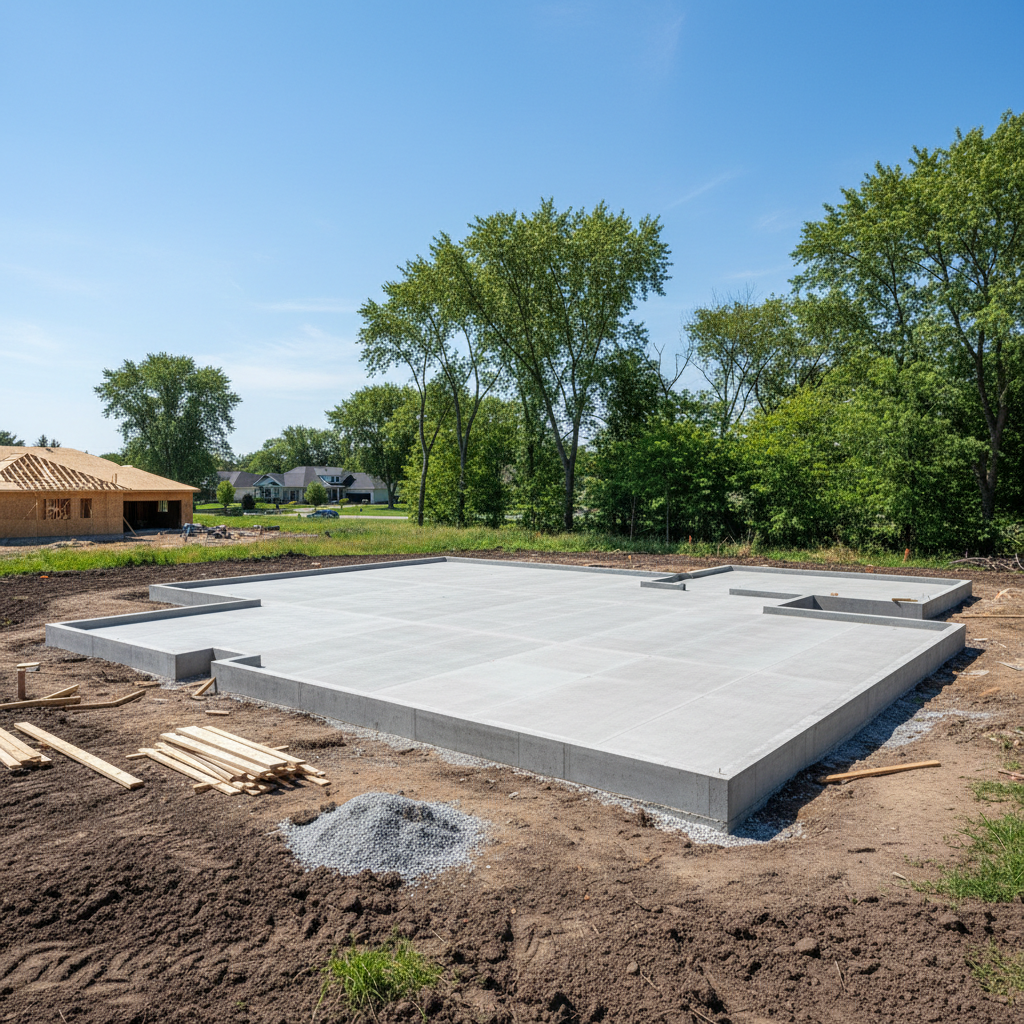
Planning a concrete foundation for your home or an addition? That's a pretty big deal. It's literally the groundwork for everything else, so you really want to get it right. I've seen a lot of these projects over the years, and the ones that go smoothly always have one thing in common: good planning.
Setting Your Project Timeline
You can't just snap your fingers and have a foundation appear, right? There's a process involved, and it definitely takes some time. Here's a rough idea of what you should be thinking about:
- Initial Planning & Design (1-3 months): This is where you team up with an architect or structural engineer. They'll draw up the plans, get all the specs just right, and make sure everything meets Chicago's building codes. Don't rush this part; a solid plan saves you a ton of headaches later on.
- Permitting (1-2 months, sometimes more): Once you have those plans, you've got to get permits from the city. This can often be a bottleneck. Make sure your plans are complete and accurate to avoid delays. Sometimes, if you're in an older neighborhood like Lincoln Park, there might be extra historical reviews or zoning quirks that add time.
- Contractor Selection (2-4 weeks): Get some bids, check references, and then make your choice. Don't just go with the cheapest guy, okay? Experience and reliability are absolutely worth paying for.
- Construction Phase (2-4 weeks for the foundation itself): This is the actual digging, forming, pouring, and curing. Weather really plays a role here, especially in Chicago. You don't want to be pouring concrete in freezing temperatures without proper precautions, which can definitely stretch out the timeline.
- Curing Time (minimum 7 days, ideally 28 days for full strength): Even after it's poured, concrete needs time to cure properly. You can often start framing sooner, but it's important to understand how its strength develops.
All told, from the initial idea to a foundation that's ready to build on, you're looking at anywhere from 4 to 8 months. Patience, my friend, is truly key.
What to Expect During the Process
Once you've got your permits and your contractor lined up, here's what'll happen:
- Site Preparation: We'll mark out the foundation, clear any debris, and get the site ready. This might mean removing old concrete, trees, or even small structures.
- Excavation: Digging the trenches for footings and the main foundation walls. This can be noisy and messy, so be prepared for some disruption.
- Formwork: Building the wooden or metal forms that hold the wet concrete in place. This needs to be super precise.
- Rebar Installation: Steel reinforcing bars are laid out within the forms. This is crucial for the strength and longevity of your foundation, especially with our freeze-thaw cycles here in the Midwest.
- Inspections: The city will come out to inspect the excavation and rebar before any concrete gets poured. Don't let your contractor skip this!
- Concrete Pour: The big day! Concrete trucks will arrive, and the crew will pour the concrete into the forms. It's a coordinated effort to get it right.
- Finishing & Curing: After the pour, the concrete is smoothed and allowed to cure. We might cover it to protect it from the elements, especially if it's hot or cold.
- Form Removal & Backfilling: Once the concrete is strong enough, we'll remove the forms, and the excavated earth goes back around the foundation walls.
It's a lot of steps, but every single one is important for a strong, stable foundation.
How to Prepare Your Property
You've got a role to play too. Here's what you can do to help things run smoothly:
- Clear the Area: Move anything that's in the way – patio furniture, garden ornaments, vehicles. We need clear access.
- Protect Landscaping: If there are plants or features you want to keep, let us know. We can try to protect them, but sometimes heavy machinery means some things just have to go.
- Utility Access: Make sure we know where your water, gas, and electrical lines are. We really don't want any surprises when we start digging.
- Neighborly Courtesy: Let your neighbors know what's happening. There will be noise, dust, and truck traffic. A heads-up goes a long way.
- Plan for Disruption: You might lose access to certain parts of your yard or even your driveway for a bit. Plan accordingly.
Questions to Ask Before Signing a Contract
This is where you protect yourself. Don't be afraid to ask tough questions. Any good contractor, like us at Midland Concrete Co, will be happy to answer them.
- Are you licensed and insured? Get proof. Always.
- Can you provide references from similar foundation projects? And actually call them.
- What's included in the bid? Get a detailed breakdown. Don't assume anything. Does it cover excavation, rebar, forms, concrete, pumping, finishing, backfilling, and debris removal?
- What's your payment schedule? A reputable contractor won't ask for 50% upfront. Expect a reasonable deposit, progress payments, and a final payment once the job's done and you're satisfied.
- How do you handle unexpected issues? Sometimes you hit rock, or an old pipe. How will that impact the timeline and cost?
- What's the warranty on your work? Get it in writing.
- Who will be supervising the project daily? You want a clear point of contact, right?
- How do you protect my property during construction?
- What's the estimated start and completion date? And what happens if there are delays?
Choosing the right contractor and being prepared yourself makes all the difference. A solid foundation isn't just about concrete; it's about trust and good communication. Do your homework, ask the right questions, and you'll be well on your way to a successful project.