Is Your Concrete Cracked? First, Figure Out Why.
So, you've got cracks in your concrete. It's a pretty common sight, especially here in Chicago with our wild freeze-thaw cycles. Before you even think about patching it up, you really need to understand why it cracked in the first place. Otherwise, you're just putting a band-aid on a bullet wound, aren't you?
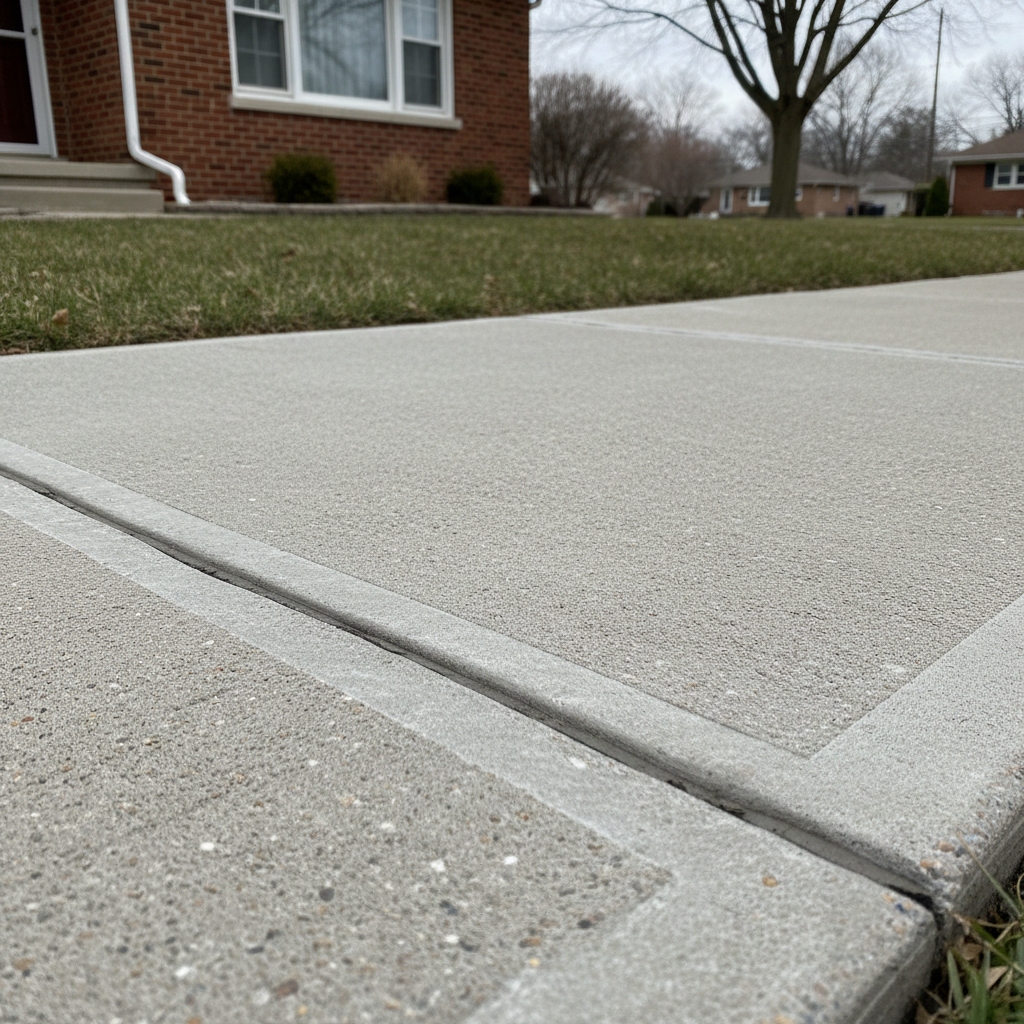
Is it a hairline crack, barely noticeable? Or is it wide open, maybe even uneven, creating a trip hazard? Hairline cracks often come from normal concrete shrinkage as it cures. Bigger cracks, though, can point to larger problems like poor sub-base preparation, heavy loads, or even soil settlement. Around here, especially in older neighborhoods like Lincoln Park or Logan Square, we've got a lot of clay soil that can expand and contract, putting serious stress on foundations and slabs. That's a big deal.
When You Can Probably DIY It
If you're dealing with small, non-structural cracks – I'm talking about those narrow, surface-level ones that don't seem to be growing or shifting – you might be able to tackle it yourself. This usually applies to things like a small crack in your garage floor or a minor chip on a patio edge. You'll want to clean the crack thoroughly first. Get all the loose debris out with a wire brush, then rinse it and let it dry completely. A leaf blower can definitely help speed up the drying process.
For these kinds of repairs, you'll find a bunch of products at your local hardware store: concrete crack fillers, sealants, or patching compounds. Read the instructions carefully, because they're all a bit different. Most involve squeezing the material into the crack, then smoothing it out with a trowel or putty knife. It's not rocket science, but it does take a steady hand and a little patience to make it look decent. Remember, you're aiming for a repair that blends in, not one that screams, 'Hey, look at this patch!'
Another common DIY fix is for spalling, which is when the surface of the concrete starts flaking or popping off. This often happens from de-icing salts or just general wear and tear. If it's just a shallow surface issue, you can chip away the loose stuff, clean it, and then apply a concrete resurfacer. Again, follow the product directions closely. It's a good way to give an old slab a fresh face without tearing it all out.
When It's Time to Call Midland Concrete Co. (Or Another Pro)
Alright, let's be real. Some concrete problems are just too big, too complex, or too risky for a DIY job. This is when you absolutely need to call in the pros. Here's what I'm talking about:
- Wide, Deep, or Uneven Cracks: If a crack is wider than a quarter-inch, or if one side of the crack is noticeably higher or lower than the other, that's a red flag. This often points to a problem with the sub-base or significant settling, which a surface patch won't fix. You might need slab jacking (mudjacking or polyjacking) to lift and level the concrete, or even a full replacement.
- Crumbling or Deteriorating Concrete: If large sections of your concrete are crumbling, pitting deeply, or just generally falling apart, it's beyond a simple patch. The slab's integrity is compromised, and you're looking at a replacement, not a repair.
- Structural Issues: Is the concrete part of your foundation, a retaining wall, or a load-bearing slab? Any cracks or issues in these areas are serious. You don't want to mess around with anything that affects your home's structural stability.
- Repeated Cracking: If you've patched a crack yourself and it keeps coming back in the same spot, that tells you the underlying issue hasn't been addressed. It's a symptom, not the disease.
- Drainage Problems: Sometimes, concrete cracks because water isn't draining properly, eroding the soil beneath. A pro can assess the drainage around your property and recommend solutions that go beyond just patching the concrete.
- Large Areas: If you've got a whole driveway or a big patio that's failing, that's a massive undertaking. Renting the right equipment, getting the materials, and doing the demo and pour correctly is a job for a crew, not a weekend warrior.
We see it all the time. Folks try to save a buck by patching a major crack, only for it to fail again in a year or two. Then they've spent money on materials and their time, and they still have to call us to fix the real problem. Sometimes, the initial DIY fix even makes the professional repair harder or more expensive.
After the Repair: Maintenance is Key
Whether you DIYed a small crack or had Midland Concrete Co. come out for a big job, maintenance is crucial. Concrete isn't indestructible, especially with Chicago's weather. Here's what you should do:
- Seal Your Concrete: This is huge. A good quality concrete sealant protects against moisture penetration, de-icing salts, oil stains, and UV damage. You should reseal every few years, depending on the product and how much traffic your concrete gets. It's like waxing your car – it keeps it looking good and performing well.
- Clean Regularly: Sweep off dirt and debris. Power wash it once in a while to remove grime. Just be careful with the pressure washer; too much force can damage the surface.
- Mind the Drainage: Make sure downspouts are directed away from your concrete slabs and foundation. Don't let water pool next to your driveway or patio. Poor drainage is a silent killer of concrete.
- Be Careful with De-Icers: Try to use sand or non-corrosive de-icers in the winter. Rock salt (sodium chloride) is really tough on concrete, especially newer concrete that hasn't fully cured.
Look, taking care of your concrete isn't glamorous, but it'll save you a lot of headaches and money down the road. A little proactive maintenance goes a long way in keeping your Chicago home's concrete looking good and lasting for decades.