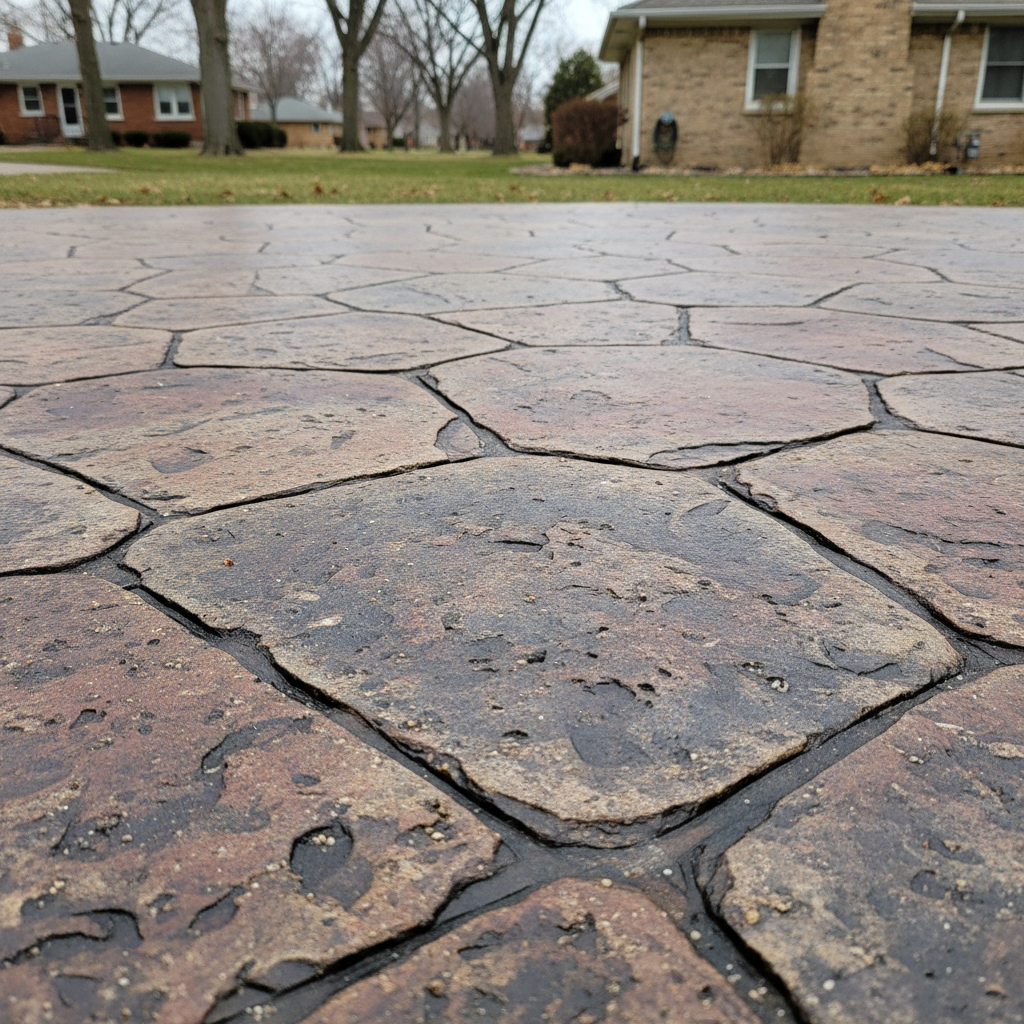
Stamped concrete looks great, no doubt about it. It’s a fantastic way to get the look of natural stone, brick, or even wood for a fraction of the cost and with way less maintenance. But before you jump in, especially here in Chicago where our weather can be brutal, you need to understand what you’re getting into.
Before the Project: Planning & Prep
First off, let’s talk about what you can realistically do yourself. For stamped concrete, the answer is… not much, if you want it done right and to last. This isn't like painting a wall. There's a lot of technical stuff involved that most homeowners just aren't set up for. But that doesn't mean you're out of the loop. Your biggest job before we even pour is planning.
- Design & Pattern: This is where you get to shine. Think about what look you’re going for. Do you want a rustic flagstone patio, a classic brick walkway, or something more modern? We’ve got tons of patterns and colors to choose from. Consider your home's style and landscaping. You don't want a Tuscan-style patio next to a super modern house, you know?
- Location & Drainage: Where's this concrete going? A patio? A walkway? A driveway? Think about how water drains in that area. We get a lot of rain and snow here, and standing water is concrete's enemy. Proper grading is critical, and that’s definitely a pro job. If you’ve got a low spot in your backyard in, say, Lincoln Park, we need to address that before anything else.
- Permits: Depending on the size and location of your project, you might need a permit from the city. This isn't something you want to skip. A good contractor, like us at Midland Concrete Co, will help you figure out what's required.
- Budget: Be realistic. Stamped concrete is an investment. It’s more expensive than plain concrete because of the extra labor and materials for the stamping process, but it's still usually less than natural stone. Get a few quotes, but don't just go with the cheapest one. You often get what you pay for.
During the Project: What to Expect
This is where the pros take over. Seriously, don't try to DIY stamped concrete. The timing, the consistency of the mix, the application of color hardeners and release agents, and the actual stamping – it’s all very precise. If you mess up, there’s no easy fix; you’re looking at tearing it out and starting over.
Here’s a simplified rundown of what we’ll be doing:
- Site Prep: We’ll excavate the area, lay down a proper sub-base (usually gravel), and compact it thoroughly. This is crucial for stability, especially with our freeze-thaw cycles.
- Forming: We'll set up forms to define the shape and size of your concrete slab.
- Pouring & Finishing: The concrete is poured, leveled, and floated to get a smooth, consistent surface.
- Color Application: We apply color hardeners to the surface. This isn't just paint; it's a dry shake that gets worked into the top layer, making it more durable and vibrant.
- Release Agent: A release agent is applied. This prevents the stamping mats from sticking and also provides a secondary, antiquing color that really brings out the texture.
- Stamping: This is the fun part. We press large, flexible mats with the chosen pattern into the wet concrete. It’s a race against the clock because the concrete sets quickly.
- Curing: The concrete needs time to cure properly. We'll apply a curing compound to help it strengthen evenly.
After the Project: Care & Maintenance
You’ve got a beautiful new stamped concrete surface. Now, how do you keep it looking great?
- Sealing: This is probably the most important thing you can do. A good quality sealer protects the concrete from stains, UV rays, and our harsh Chicago weather. It also enhances the color. We'll apply the initial sealer, but you'll need to reseal it every 2-3 years, or more often for high-traffic areas or if it starts to look dull.
- Cleaning: Regular cleaning with a hose and a mild detergent (like dish soap) will keep it looking fresh. For tougher spots, a pressure washer on a low setting can work, but be careful not to damage the sealer or the concrete itself.
- Winter Care: Avoid using rock salt or de-icers that contain ammonium nitrates or sulfates. These can damage concrete, especially stamped concrete. Sand is a safer bet for traction. Shovel snow promptly.
- Cracks: Concrete cracks. It’s a fact of life, especially with our ground freezing and thawing. We do everything we can to minimize them with proper expansion joints and a good mix, but small hairline cracks can still appear. They’re usually just cosmetic. If you see anything major, give us a call.
Stamped concrete is a fantastic investment that adds curb appeal and value to your home. Just make sure you go into it with your eyes open and trust the heavy lifting to experienced pros. You'll be enjoying that new patio or walkway for years to come.